
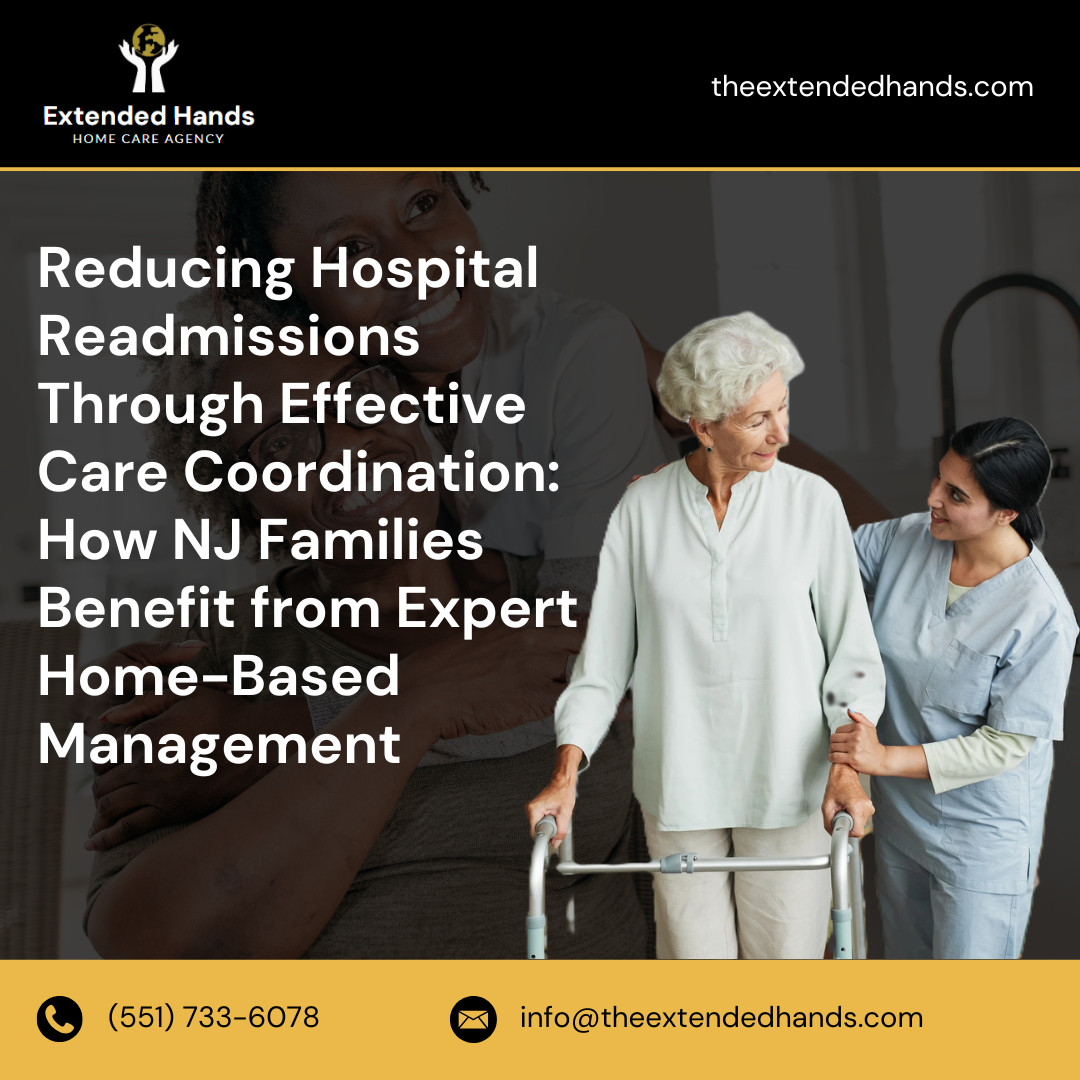
Hospital readmissions are a growing concern for many seniors and families across New Jersey. After discharge, older adults often face medication changes, mobility limitations, follow-up appointments, and new care routines that can quickly become difficult to manage alone.
Effective care coordination helps bridge the gap between hospital discharge and safe recovery at home. In Ocean County, NJ, families are increasingly using coordinated home-based support to reduce avoidable readmissions while helping seniors recover with greater comfort and stability.
Why Hospital Readmissions Are Common Among Seniors
Many hospital readmissions happen within weeks after discharge because recovery plans can become overwhelming once seniors return home. Missed medications, lack of follow-up care, and poor communication between providers are common contributing factors.
Seniors managing chronic illnesses or multiple conditions often face even greater risks. Coordinated care helps families stay organized while improving consistency during recovery.
Medication confusion: Prescription changes after discharge may lead to missed or incorrect doses
Limited mobility: Seniors recovering alone may struggle with daily tasks and appointments
Care transition gaps: Communication breakdowns between providers can delay proper support
What Care Coordination Means After Hospital Discharge
Care coordination organizes every part of a senior’s recovery plan after hospitalization. This includes communication with healthcare providers, scheduling follow-up care, monitoring routines, and arranging home support services.
Families in Ocean County often rely on coordinated home care to reduce stress during this transition period. Structured support helps seniors follow recovery instructions more consistently.
At Extended Hands Home Care Agency, coordination services may also work alongside Skilled Nursing and Personal Care support.
How Home-Based Care Management Reduces Readmission Risks
A strong home care plan creates stability during recovery. Seniors who receive organized support are often better able to manage medications, attend appointments, and follow physician recommendations.
Home-based management also allows caregivers and coordinators to identify small problems before they become emergencies requiring rehospitalization.
Routine monitoring: Early signs of complications can be recognized quickly
Care consistency: Seniors receive structured support throughout recovery
Appointment coordination: Follow-up visits remain organized and on schedule
Common Challenges Families Face After a Hospital Stay
Many families assume recovery becomes easier once a loved one returns home. In reality, discharge often marks the beginning of a more complicated care process.
Balancing work schedules, caregiving responsibilities, and medical instructions can become difficult without outside support. Care coordination helps simplify these responsibilities.
Complex discharge instructions: Families may struggle to manage new medical routines
Transportation issues: Follow-up appointments can become difficult to coordinate
Communication overload: Multiple providers may give overlapping recommendations
Step-by-Step Process for Coordinated Recovery at Home
Effective recovery planning starts before complications arise. Coordinated care provides a structured system that keeps providers, caregivers, and families connected throughout the recovery process.
Services are adjusted based on the senior’s condition, progress, and changing needs.
Discharge review: Care coordinators evaluate instructions and recovery goals
Customized care planning: Services are organized around medical and daily living needs
Ongoing communication: Families receive updates and scheduling support
Recovery monitoring: Care plans evolve as health conditions improve or change
Comparing Care Coordination With Traditional Home Care
Traditional home care mainly focuses on assistance with daily activities like bathing, meals, and companionship. Care coordination adds healthcare organization and communication management to that support.
For seniors recovering from hospitalization, this added oversight often improves long-term recovery outcomes and reduces avoidable setbacks.
Traditional home care: Provides physical and emotional daily support
Care coordination: Manages communication, scheduling, and recovery planning
Combined services: Creates more complete post-hospital support
Cost Factors for Post-Hospital Care Coordination in NJ
The cost of care coordination varies depending on the level of oversight required after discharge. Seniors with complex medical conditions or multiple providers may require more active support.
In Ocean County, costs may also depend on the duration of services and whether additional home care assistance is included.
Care complexity: More involved recovery plans may increase service needs
Frequency of visits: Ongoing monitoring may affect pricing
Integrated services: Combining coordination with nursing or companion care impacts total cost
Home Care Services That Support Recovery and Stability
Several in-home services work together to help seniors recover safely while reducing hospital readmission risks. Families often benefit from combining care coordination with hands-on daily support.
Extended Hands Home Care Agency provides integrated services that help seniors remain safe and comfortable at home throughout recovery.
Companion Care: Provides supervision, emotional support, and routine assistance
Skilled Nursing: Supports medical recovery needs under professional oversight
Care Coordination: Organizes communication, appointments, and recovery planning
Mistakes That Can Increase Readmission Risks
Many readmissions happen because small recovery issues go unnoticed or untreated. Proactive coordination helps families avoid common post-discharge mistakes.
Families should also avoid assuming recovery is complete simply because symptoms appear to improve temporarily.
Ignoring follow-up care: Missed appointments may delay recovery progress
Medication mismanagement: Incorrect dosages can lead to serious complications
Poor communication: Lack of provider coordination creates inconsistent care plans
Real-Life Recovery Situations Where Coordination Helps
In Ocean County, many seniors return home after surgery, illness, or rehabilitation while still requiring daily oversight. Family members may not always be available to manage every aspect of recovery alone.
Coordinated support helps create safer transitions while reducing stress for everyone involved.
Post-surgical recovery: Organized care improves healing and follow-up consistency
Chronic illness management: Seniors receive structured long-term support
Family caregiver relief: Coordination reduces scheduling and communication burdens
Best Practices for Preventing Avoidable Readmissions
Successful recovery plans usually combine communication, consistency, and proactive monitoring. Families who stay organized during recovery often experience fewer setbacks.
Working with professional coordinators also helps ensure medical recommendations are followed more effectively at home.
Daily routine tracking: Organized schedules improve medication and appointment consistency
Regular provider updates: Communication reduces care confusion
Integrated home support: Coordinated services create safer recovery environments
Local Care Coordination Support for Ocean County Families
Local experience plays an important role in recovery planning. Providers familiar with Ocean County understand nearby healthcare systems, transportation concerns, and community support resources available to seniors.
Families can also explore educational resources and updates through the Extended Hands Home Care Agency blog.
For additional healthcare and aging resources, families may review information through the New Jersey Department of Health.
Frequently Asked Questions About Preventing Hospital Readmissions
Families often have questions about post-hospital recovery and coordinated home care support. These answers help explain how care coordination improves recovery outcomes.
How does care coordination help reduce hospital readmissions?
Care coordination keeps recovery plans organized by managing appointments, communication, medications, and home support services. This helps seniors follow discharge instructions more consistently.
Who benefits most from post-hospital care coordination?
Seniors recovering from surgery, illness, or chronic condition complications often benefit the most. Families managing multiple providers also gain better organization and support.
Can care coordination include nursing services at home?
Yes, coordinated care can work alongside Skilled Nursing services when medical oversight is needed during recovery.
When should families arrange post-discharge care support?
It is best to arrange support before hospital discharge whenever possible. Early planning creates smoother transitions and reduces gaps in care.
Get Reliable Post-Hospital Care Coordination in Ocean County, NJ
Recovering after hospitalization can feel overwhelming without organized support in place. Coordinated home care helps seniors remain safer at home while reducing stress for families during recovery.
Extended Hands Home Care Agency provides personalized care coordination services throughout Ocean County, NJ, helping seniors transition home with greater confidence and stability. Care plans are tailored to individual recovery needs, daily routines, and long-term health goals.
📍 Address: 155 Atlantic City Blvd, Bayville, NJ 08721
📞 Phone: (551) 733-6078
📧 Email: info@theextendedhands.com
Families seeking dependable post-hospital support can connect with Extended Hands Home Care Agency to create a coordinated recovery plan designed around comfort, communication, and safer outcomes.